
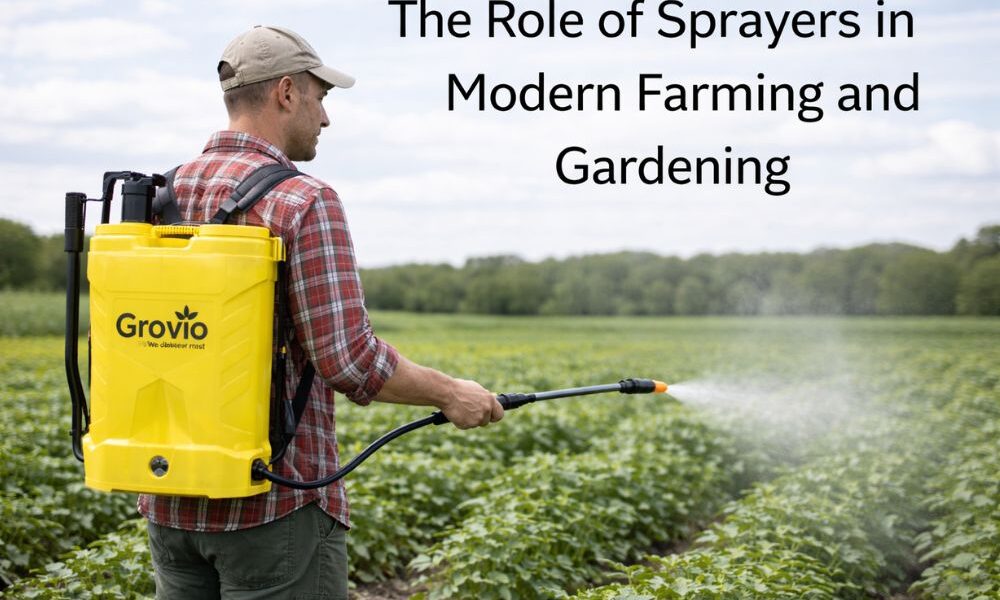
Agriculture and gardening practices have changed significantly over the years. As we surge forward into an era of technological advancement, farming tools and equipment have also evolved. One of the pivotal advancements in modern farming and gardening equipment is the sprayer. Sprayers have become indispensable, offering precision, efficiency, and versatility. Through my experiences in farming, I’ve come to understand just how crucial these tools are. This guide explains different types of sprayers, their benefits, common usage challenges, maintenance tips, and their importance in gardening.
Introduction
As a farmer, the importance of efficient equipment in ensuring optimal crop yield cannot be understated. Among the myriad tools in my arsenal, sprayers stand out as incredibly pivotal. Their ability to uniformly apply water, fertilizers, and pesticides significantly enhances the health and productivity of the crops. Modern sprayers help reduce manual effort while improving spraying accuracy and resource utilisation. Through understanding the role that sprayers play in both farming and gardening, we can appreciate how they contribute to sustainability and productivity.
Types of Farm Sprayers
In modern farming, selecting the right sprayer is important for effective crop protection and nutrient application. Choosing the right type of sprayer for specific farming needs is critical. Various types of sprayers are available, each designed to suit specific farming requirements. Here are some vital types of farm sprayers commonly used:
- Handheld Sprayers: These are typically used for small-scale applications, like in gardens or small farms. They are portable, easy to handle, and best suited for spot spraying or small tasks.
- Backpack Sprayers: A step up from handheld sprayers, backpack sprayers allow for greater capacity and ease of use. They distribute the weight evenly across your back, making them excellent for medium-sized areas.
- Tractor-mounted Sprayers: For larger farms, tractor-mounted sprayers offer a solution for expansive areas. These sprayers can hold large quantities and cover vast stretches of land efficiently, making them ideal for crops like corn or wheat.
- Self-propelled Sprayers: These advanced sprayers are suitable for large-scale farming operations. Self-propelled sprayers are equipped with their own motors and are designed for very large scales, like acres of soybeans or cotton.
- Aerial Sprayers: Also known as crop dusters, these are ideal for vast agricultural lands. They offer quick and broad coverage but require precise conditions for optimal use.
The choice of sprayer greatly depends on the scale and demands of a farming operation. Each type of sprayer comes with specific features tailored to various requirements.
Benefits of Using Sprayers in Farming
Sprayers play an important role in improving crop yield and maintaining plant health in modern farming. Their use offers numerous advantages, making them indispensable in modern farming:
First and foremost, sprayers ensure efficient and even application of chemicals and nutrients. Uniform distribution is crucial in preventing pest infestations and ensuring that plants receive the exact nutrients and protection they need. This can result in improved crop growth and higher productivity.
Another significant benefit is the conservation of resources. Traditional watering and fertilizing methods often result in waste through runoff and uneven application. Sprayers minimize this problem by targeting specific areas with precision, reducing waste and costs involved with chemical and fertilizer applications.
Modern sprayers also save time and labor. Large farms that once required days of manual spraying can now be managed in a fraction of the time with mechanized sprayers. This improves work efficiency and reduces the overall labour requirement.
Furthermore, the environmental benefits can’t be overlooked. By ensuring the targeted application of pesticides and fertilizers, sprayers help mitigate the impact on surrounding ecosystems. This focused approach aids in maintaining biodiversity and reducing soil and water contamination.
Overall, using sprayers helps farmers manage crops more effectively while supporting sustainable farming practices.
Common Sprayer Problems and Solutions
While sprayers are an essential component of modern farming equipment, they are not without their challenges. Farmers commonly face several issues while using sprayers:
- Clogged Nozzles: This is perhaps the most frequent issue faced when using sprayers. Clogged nozzles can occur due to impurities in the spraying solution or residue buildup. Regular cleaning of nozzles and filters is paramount. Using filtered solutions and flushing systems after each use can significantly reduce the occurrence of clogs.
- Uneven Spray Patterns: This problem can arise from worn-out nozzles or incorrect calibration. Checking nozzle condition and proper calibration helps ensure uniform spray coverage.
- Pressure Loss: A drop in pressure can severely affect the performance of a sprayer. This issue often stems from leaks, worn gaskets, or improperly seated parts. Regular maintenance and inspections can help in promptly identifying and addressing pressure-related issues.
- Pump Malfunctions: Pumps are the heart of any sprayer. Common problems include air leaks or inadequate lubrication. Ensuring that pumps are well-maintained, periodically checked for air leaks, and appropriately lubricated can prevent a majority of pump-related problems.
Timely maintenance and troubleshooting help ensure sprayers perform efficiently during farm operations.
Sprayer Maintenance Tips
A well-maintained sprayer is crucial for optimal performance and longevity. Regular care and timely maintenance can help extend the lifespan of sprayer equipment. Here are some maintenance tips I’ve found invaluable:
- Regular Cleaning: After each use, it is vital to thoroughly clean the sprayer, including its nozzles, tank, and filters. This practice minimizes residue buildup and prevents clogs.
- Inspect Before and After Use: Inspecting hoses, connectors, and nozzles regularly helps prevent unexpected spraying problems.
- Calibration: Periodically calibrate your sprayer to maintain correct application rates. Consistent calibration checks ensure even distribution and prevent issues related to incorrect dosing.
- Lubrication: Lubricating moving parts helps reduce wear and supports smooth operation. This practice is particularly relevant for parts like pumps and motors, which are integral to a sprayer’s operation.
- Storage: When not in use, store sprayers properly. Keeping them in a dry, sheltered area and adequately draining and cleaning the tank before storage can prevent damage during downtime.
By adhering to these maintenance protocols, we ensure that our sprayers operate efficiently, thereby extending their usability and reliability.
Sprayers in Gardening
In addition to their role in farming, sprayers have carved out an essential place in gardening. Sprayers are equally useful in home gardens and small-scale gardening activities.
Sprayers in gardening serve the primary purpose of distributing water, pesticides, and fertilizers evenly across plants. This ensures that garden plants, whether they’re ornamental flowers or vegetables, receive the necessary nutrients and protection to thrive.
Given that gardens are often diverse in plant types and sizes, the adaptability of sprayers allows for customized application methods. For instance, a small handheld sprayer might be ideal for precise application on delicate blooms, while a larger backpack sprayer can efficiently cover an entire vegetable patch.
Sprayers also help reduce the effort required for watering and plant protection tasks. What would have been a time-consuming manual task becomes more manageable and less labor-intensive with the right equipment. Thus, sprayers enable novice and experienced gardeners to maintain their green spaces with relative ease and precision.
Overall, sprayers support effective plant care in gardens through controlled application of water, nutrients, and pest control solutions.
Conclusion
Sprayers play an important role in improving efficiency in both farming and gardening activities. Their introduction and continual evolution signify a commitment to improving efficiency, productivity, and sustainability in agricultural practices. By understanding the different types of sprayers, their benefits, common problems, maintenance tips, and their application in gardening, we can optimize their use. Whether on a sprawling farm or in a quaint garden, sprayers have proven to be indispensable, making them a cornerstone of modern horticultural and agricultural endeavors.