Sustainable agriculture focuses on improving productivity while protecting the environment and ensuring long-term soil health. As we continue to experience the adverse effects of climate change, the need for more eco-friendly solutions becomes clear. One critical component in this quest is the use of organic fertilizers. For those of us passionate about gardening, the inclusion of organic fertilizers not only aligns with sustainable practices but also optimizes the health of our gardens. Through this exploration, we delve into why organic fertilizers represent the future of agriculture and gardening alike.
What Are Organic Fertilizers?
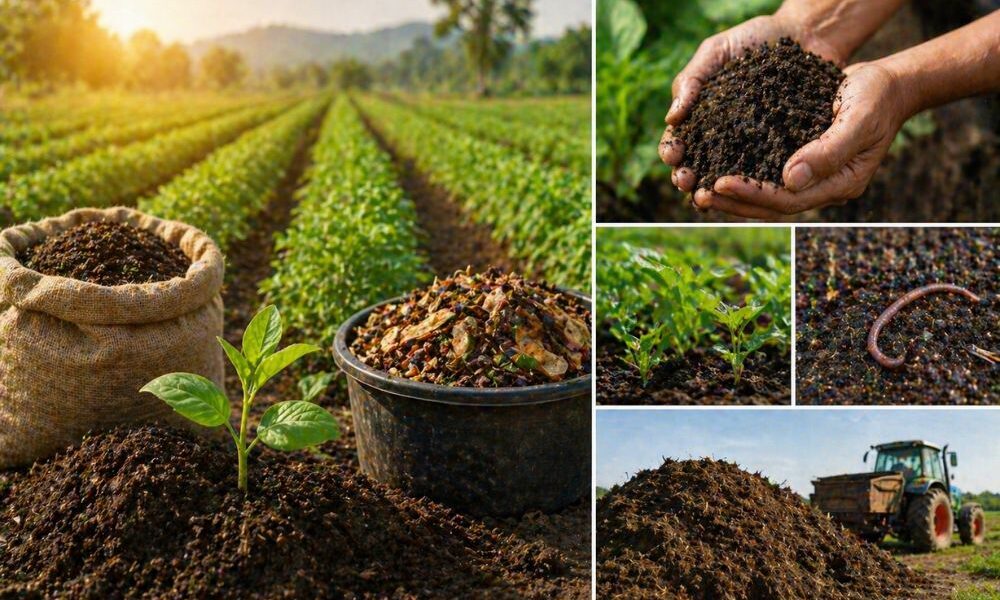
Organic fertilizers are natural substances derived from plant, animal, or mineral resources. Unlike chemical fertilizers, they are natural and free from synthetic additives. Common examples include compost, manure, and bone meal. By leveraging these materials, we fortify the soil with essential nutrients while improving its structure and microbial activity.
One of the primary aspects that set organic fertilizers apart is their slow-release nature. This means nutrients like nitrogen, phosphorus, and potassium (N-P-K) are released over time, ensuring a steady nourishment that mirrors the natural feeding processes of the ecosystem. Whether you’re using organic fertilizer for garden herbs or vegetables, this gradual release supports robust plant growth without the risk of nutrient runoff and soil leaching.
Using organic fertilizers supports soil health and maintains ecological balance. For instance, as I apply organic fertilizer to my garden, I often notice a richer, more friable soil texture over time. Such improvements are a testament to the lasting benefits these fertilizers offer.
Impact of Chemical Fertilizers on the Environment
Chemical fertilizers improve crop yield, but their environmental impact cannot be ignored. These synthetic solutions, although effective in the short term, often lead to long-term soil degradation. A key concern is the leaching of nutrients, particularly nitrogen, into water systems. This process contributes to eutrophication, resulting in oxygen-depleted aquatic environments that threaten fish and plant life.
The production and application of chemical fertilizers also entail a considerable carbon footprint. Energy-intensive manufacturing processes release greenhouse gases, exacerbating climate change. In contrast, eco-friendly fertilizers for gardening, such as organic fertilizers, support sustainable and natural cycles.
Moreover, these fertilizers can disturb the delicate balance of soil microbiota, organisms crucial to nutrient cycling. Overusing chemical inputs can ultimately diminish soil fertility, leading to a reliance on further synthetic interventions. Every time I choose organic fertilizers, I feel assured that I am contributing less to these adverse environmental impacts.
Benefits of Organic Fertilizers
Organic fertilizers offer a host of benefits that align with sustainable and eco-friendly gardening practices. Among the most significant advantages are the enhancement of soil structure and the promotion of biological activity.
Using organic fertilizers improves earthworm activity in the soil. Earthworms are excellent indicators of soil health; their presence signifies a well-structured, aerated environment conducive to healthy plant growth. Organic matter improves soil structure and water retention, which is important in dry conditions.
In addition, organic fertilizers are instrumental in reducing pollution. They mitigate the risks of excessive nutrient runoff, a common issue with chemical fertilizers. This aspect is crucial in maintaining the purity of surrounding water bodies, thus safeguarding biodiversity.
- Soil Health: Improves soil structure and supports beneficial microorganisms.
- Eco-friendly Practices: Reduced risk of water pollution and a lower environmental footprint.
- Plant Nutrition: Balanced nutrient delivery and improved resistance to diseases and pests.
The benefits translate into tangible results in gardening. Whether cultivating a small backyard garden or managing an urban farm, the consistent use of organic fertilizers can lead to more resilient plants and ultimately, a more sustainable food system.
Organic vs Chemical Fertilizers for Gardening
The debate between organic and chemical fertilizers often centers on their effectiveness, cost, and impact. While chemical fertilizers provide quick results, they can have long-term effects on soil health.
Choosing organic fertilizers supports both plant nutrition and soil health. It’s about nurturing the entire ecosystem. Organic fertilizers encourage biodiversity within the soil, which can lead to healthier, more productive gardens in the long run.
In practical terms, organic fertilizers often cost more upfront than chemical options. However, their slow-release nature and long-term benefits can present savings over time, reducing the need for frequent reapplication and potential soil remediation efforts caused by chemical fertilizers.
When I consider the organic versus chemical fertilizers for gardening, the choice boils down to investing in the soil’s future. Organic fertilizers support sustainable gardening instead of short-term solutions. This choice resonates with the principles of permaculture and regenerative agriculture, systems that are rapidly gaining favor among forward-thinking gardeners and farmers alike.
Challenges of Using Organic Fertilizers
Organic fertilizers offer many benefits, but they also come with certain challenges. A common obstacle is their slower nutrient release, which might not meet the immediate needs of fast-growing plants. This characteristic requires careful planning and timing to ensure that plants receive adequate nutrition throughout their growth cycles.
Storage and handling of organic fertilizers can also be more demanding. Manure, for example, requires proper composting to avoid issues such as nitrogen loss or pathogen presence. If not properly processed, they may contain weed seeds or pathogens.
Another challenge lies in standardization. Unlike chemical fertilizers, which offer precise nutrient ratios, organic fertilizers can vary widely in nutrient content and availability. This variability necessitates regular soil testing and tailored applications, adding complexity to garden management practices.
Despite these challenges, organic fertilizer for garden use is becoming increasingly popular. It requires a shift in mindset — from immediate to sustained results — that can ultimately yield healthier gardens and a healthier planet.
Future of Organic Farming
The future of organic farming is promising as it supports environmental sustainability and long-term food production. As we explore the trajectory of organic farming, it becomes clear that its growth is driven by both consumer demand and regulatory support.
Consumers are increasingly aware of the impacts of their food choices, opting for organic produce to ensure minimal chemical exposure and support sustainable agriculture. Similarly, governments worldwide are recognizing the need to promote organic practices through policies and subsidies.
The integration of technology presents exciting possibilities for organic farming. Innovations such as precision agriculture and data analytics can optimize the use of resources, ensuring that organic fertilizers are applied efficiently. This technological advancement aligns with the principles of sustainable agriculture, marrying traditional practices with modern innovations.
These developments highlight the growing importance of organic farming. They represent a commitment to a future where agriculture does not come at the expense of environmental health. It’s an inspiring vision that underscores the potential of organic fertilizers to play a critical role in a sustainable agricultural landscape.
Conclusion
In conclusion, organic fertilizers are indispensable tools in the journey toward sustainable agriculture and gardening. They support soil health, improve ecological balance and ensure long-term productivity. These choices have a positive impact on soil, plants and the environment.
The evidence is clear: organic fertilizers enable us to cultivate with conscience. They empower us to make informed, sustainable decisions that can redefine agriculture, today and for the generations to come. Adopting these practices helps build a more sustainable future.