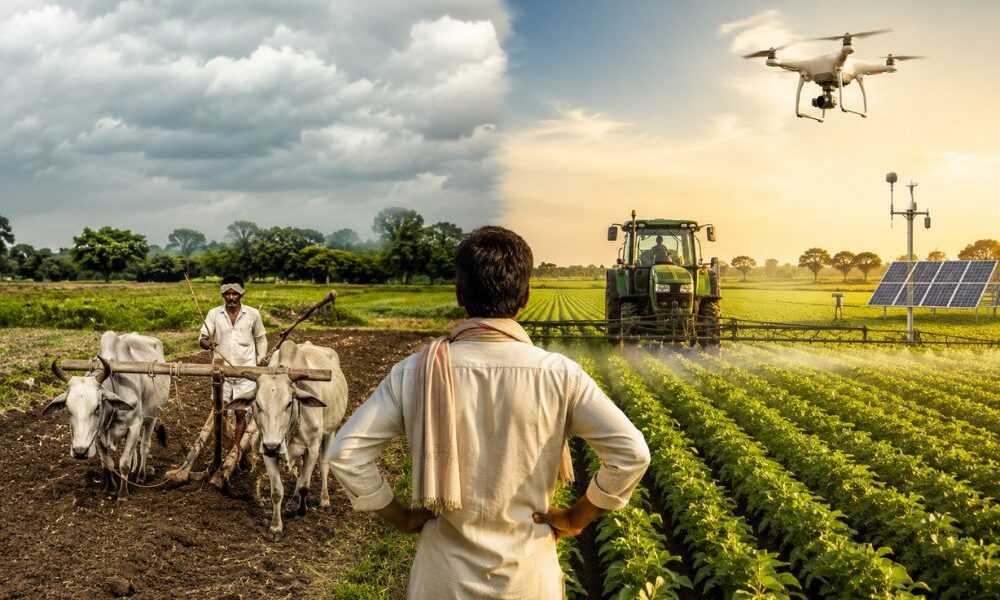
For generations, we relied on agriculture as a way of life, steeped in tradition and shaped by the hands of time. As farmers, we have always respected the traditional methods passed down through generations. But like many others in our community, I began to notice the growing limitations of traditional farming. These challenges prompted us to explore modern farming methods that promise increased efficiency, sustainability, and profitability. In this article, we explore why farmers are shifting from traditional to modern farming and the key benefits modern agricultural practices offer.
Why We Transitioned to Modern Farming
Transitioning to modern farming was not just a choice, but an essential move to secure the future of our farm. Although traditional farming is deeply rooted in heritage, it could no longer meet the growing demands for efficiency, productivity, and scalability in modern agriculture. Changing climate conditions also made farming more unpredictable and challenging, it became clear that the age-old methods were insufficient in overcoming these new challenges. Modern farming introduces innovative solutions, enabling us to thrive in a rapidly evolving world. Embracing technology, machinery, and data-driven insights has allowed us to enhance productivity while minimizing environmental impact.
Drawbacks of Traditional Farming
Although traditional farming methods are rooted in experience and tradition, we realized several drawbacks hindered our farm’s growth and sustainability. Labor-intensive farming practices require considerable time, effort, and manpower, leading to human fatigue and inefficiency. Additionally, traditional methods often struggle with scalability, making it difficult to manage large-scale operations. The reliance on manual labor also means higher labor costs and increased risk of errors.
- Resource Intensity: Traditional farming demands more water, fertilizers, and pesticides to maintain crop yields, which can contribute to soil degradation and environmental stress.
- Weather Dependency: With climate change causing erratic weather patterns, the reliance on nature’s predictability exposes us to significant yield fluctuations.
- Low Efficiency: Manual processes slow down harvesting and planting, reducing overall productivity.
The drawbacks of traditional farming increasingly hindered our capacity to meet the demands of a growing population, leading us to explore more modern, efficient approaches.
Modern Farming: A New Era of Agriculture
Modern farming has transformed agriculture by combining advanced technology with more efficient and sustainable farming practices. Where technology and eco-friendliness converge. Modern farming isn’t just about swapping tractors for drones; it represents a holistic approach to farming that incorporates data analytics, automated machinery, and precision agriculture. By doing so, we can achieve more with less, optimizing our resources.
The integration of IoT (Internet of Things) devices plays a crucial role, allowing us to monitor soil conditions and weather patterns in real-time. This data-driven approach empowers us to make informed decisions, improving yield and reducing waste. Moreover, the use of biologically integrated systems promotes biodiversity, enhancing soil health and sustainability practices. With modern farming, we are not just improving our farm’s productivity; we are creating a more efficient and sustainable future for agriculture.
Key Benefits of Modern Farming Approaches
Embracing modern farming presents a plethora of benefits that extend beyond traditional practices. By harnessing new technologies, These modern practices have helped us improve farm operations while using resources more efficiently.
- Increased Yield: With precision farming techniques, we optimize every inch of our land, ensuring maximum productivity and reducing land waste.
- Reduced Environmental Impact: Modern methods use fewer resources, meaning less runoff, erosion, and pollution, helping us farm more sustainably.
- Cost Saving: Automation cuts down on labor costs and time spent on manual tasks, freeing us to focus on strategic farm management.
Moving towards a future where technology and farming coexist harmoniously, we can draw more substantial benefits than we ever thought possible.
Revolutionizing Farming with Modern Machinery
One of the cornerstones of our transition to modern farming is the adoption of advanced machinery. Modern farming machinery plays a pivotal role in revolutionizing operations, offering precision, speed, and high efficiency. From GPS-enabled tractors to automated harvesters, these machines allow us to conduct tasks with extraordinary precision.
For example, precision seeders distribute seeds at precise intervals, improving germination rates and crop uniformity. Autosteer functions in tractors reduce overlap in fields, saving fuel and reducing soil compaction. Moreover, drones enable aerial monitoring, giving us unparalleled insights into crop health, water needs, and potential pest infestations. Embracing machinery not only enhances output but also transforms farming into a tech-savvy occupation.
The Integration of Technology in Modern Agriculture
Technology integration is at the core of modern agriculture. By leveraging cutting-edge tools, we are redefining traditional farming practices. GPS technology, for instance, helps in precise field mapping, soil sampling, and yield recording, ensuring we make data-informed decisions.
Remote sensors provide real-time data on soil moisture, temperature, and nutrient levels, allowing us to adjust field conditions promptly. With data analytics, we can predict harvest times, optimize crop rotation, and improve resource allocation. By incorporating AI, we can anticipate pest outbreaks and implement timely measures, saving crops and reducing chemical use. The integration of technology is not merely an upgrade; it’s an agricultural revolution paving the way for smarter and more efficient farming.
The Sustainability Factor in Modern Farming
Sustainability is a significant aspect of modern farming. Addressing environmental concerns is vital as the global population escalates, and the demand for food surges. Modern farming practices prioritize sustainable methods that focus on long-term ecological balance.
- Soil Health: Conservation tillage and cover cropping improve soil structure, enhancing fertility and reducing erosion.
- Water Conservation: Drip irrigation and rainwater harvesting systems are employed to maximize water use efficiency.
- Biodiversity: Integrated pest management and organic farming bolster biodiversity and reduce reliance on chemical pesticides.
Through sustainable practices, modern farming not only secures our farm’s future but also preserves the planet for generations to come.
Navigating the Transition: Challenges and Solutions
Transitioning from traditional to modern farming is not without its challenges. The initial investment for machinery and technology can be significant, posing financial barriers. Additionally, there exists a steep learning curve for adopting new technologies, necessitating training and adaptation.
However, these challenges are surmountable with strategic planning and support. We sought governmental grants and financial incentives to alleviate investment burdens and collaborated with agricultural experts for training and knowledge transfer. Building a community network facilitated the exchange of experiences and successful practices, smoothing the path of transition.
Conclusion
Our journey from traditional to modern farming is a testament to adaptability and foresight. By embracing modern farming machinery and technology, we have not only enhanced productivity but also ensured sustainability. Although hurdles remain along the way, the transition promises a future where agriculture thrives in harmony with the environment. As we continue to evolve, the possibilities for a more prosperous and sustainable agricultural industry are boundless. Our commitment to modern farming is unwavering—a journey toward a future where innovation meets tradition on fertile grounds.
Frequently Asked Questions
1. Why are farmers shifting from traditional to modern farming?
Farmers are adopting modern farming methods to improve productivity, reduce labor costs, manage climate-related challenges, and use resources more efficiently.
2. What are the main disadvantages of traditional farming?
Traditional farming can be labor-intensive, less efficient, highly dependent on weather conditions, and often requires greater use of water and other resources.
3. How does modern farming increase crop yield?
Modern farming uses precision agriculture, advanced machinery, and data-driven techniques to optimize planting, irrigation, fertilization, and harvesting processes.
4. What role does technology play in modern agriculture?
Technology helps farmers monitor soil health, weather conditions, crop growth, and pest activity in real time, enabling smarter and faster decision-making.
5. Is modern farming more environmentally friendly?
Yes, many modern farming practices focus on sustainability by conserving water, reducing chemical usage, improving soil health, and minimizing environmental impact.