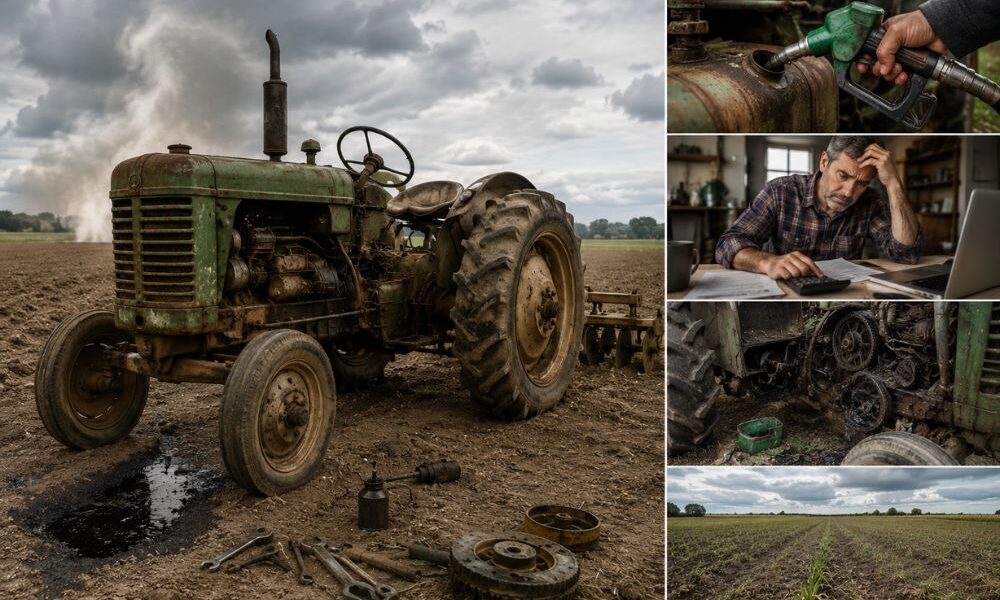
As a farmer, you are aware of the intricate tapestry of challenges that modern agriculture demands. One of the biggest decisions is whether to continue using old farm equipment or invest in modern farm machinery that improves efficiency and reliability. The hidden costs of outdated farm machinery go beyond repair bills, affecting productivity, farm machinery maintenance expenses, operator safety, and environmental sustainability. Digging deeper into these aspects, you can better appreciate why modernizing your machinery is not just a matter of convenience, but a strategic decision with the potential to transform your farming operations.
The Economic Impact of Outdated Farm Machinery
The economic implications of using outdated farm machinery can be profound. While old farm equipment may seem like a cost-effective option by avoiding the upfront expense of new machinery, the total cost of ownership is often much higher. The initial savings are often eclipsed by ongoing maintenance expenses and the inefficiencies of old technology. Outdated farm machinery tends to require frequent repairs, leading to increased downtime and labor costs, both of which erode your profit margins over time.
Moreover, older machinery can consume more fuel relative to its modern counterparts, leading to elevated operational costs, especially during periods of rising fuel prices. The potential financial drains can include:
- Lower Resale Value: Old equipment typically depreciates faster than new machinery, limiting your ability to recover costs when you decide to sell or trade in.
- Increased Repair Bills: The likelihood of parts wearing out increases with age, resulting in frequent repair bills that add up over time.
Although upgrading requires an initial investment, modern farm machinery can lower operating costs, improve productivity, and deliver better long-term returns.
Reduced Efficiency and Productivity
Efficiency and productivity are at the core of profitable farming operations. When you rely on old farm equipment, you are typically accepting a compromise in the efficiency and speed of tasks. Older machines often lack the technological advancements and automation that significantly improve operational speed and accuracy. For instance, precision farming techniques that rely on GPS technology, sensors, and data analytics are largely absent in outdated machinery, leading to uneven sowing, inconsistent spraying, and suboptimal harvesting.
Reduced efficiency directly impacts productivity and overall farm performance. Delays in planting or harvesting windows can reduce yields, impacting overall profitability. You may find that you are spending more time on tasks that could have been automated, focusing labor resources on machinery operation rather than strategic planning. This transition can limit your farm’s output potential and push you to work harder instead of smarter.
Embracing modern equipment translates into using technology-driven tools to enhance yield and productivity.
Farm Machinery Maintenance and Repair Costs
Maintenance and repair are inevitable when managing farm machinery; however, their costs can be significantly higher for outdated equipment. As equipment ages, finding replacement parts becomes challenging, often requiring custom fabrication, which is both expensive and time-consuming. Furthermore, outdated parts may not benefit from manufacturing improvements over the years, often leading to recurring failures.
You may encounter situations where repair technicians are less familiar with outdated models, resulting in longer repair times and higher service charges. Additionally, when equipment regularly breaks down during critical farming periods, such as planting or harvest season, it can substantially delay operations, affecting crop quality and yield.
- Scarcity of Parts: The scarcity of parts for old equipment increases repair costs and can result in longer downtime.
- Higher Service Costs: Specialised repairs and limited availability of experienced technicians can increase labour and maintenance expenses.
Safety Risks of Old Farm Equipment
Safety should be a top priority in any agricultural operation, and using old farm equipment significantly elevates safety risks. Older machinery often lacks modern safety features such as automatic shut-offs, improved ergonomics, and enhanced stability systems, which are designed to prevent accidents on the farm. Given the demanding and sometimes hazardous nature of farming work, the absence of these features can increase the likelihood of injuries on the field.
Additionally, outdated tractors or combine harvesters might not comply with today’s safety regulations, which have become more stringent as more is understood about accident prevention. Without these safeguards, you are putting yourself, your employees, and your operation at risk of accidents, potential liability, and increased insurance costs.
Upgrading to modern farm machinery with advanced safety features can help protect operators, reduce workplace risks, and improve overall farming efficiency.
Environmental Impact of Outdated Farm Machinery
When considering the environmental impact of outdated farm machinery, several concerns come to light. Older machines often lack emission control systems, leading to higher levels of greenhouse gases and pollutants being released into the environment. This not only contributes to climate change but also affects local air quality, impacting both human and ecosystem health.
Older farm equipment also consumes more fuel to perform the same tasks, increasing operating costs and the overall carbon footprint of your farming operations. Older machinery might also have outdated, inefficient hydraulic systems, leading to potential oil leaks that can seep into and contaminate soil and water sources.
Transitioning to newer machinery typically means benefiting from enhanced fuel efficiency, reduced emissions, and better alignment with environmental sustainability practices.
Benefits of Modern Farm Machinery
Considering the drawbacks of using outdated farm machinery, the benefits of modern equipment become increasingly apparent. Modern farm machinery integrates cutting-edge technologies that optimize nearly every aspect of the farming operation. From GPS-guided systems that enhance precision farming to automation that reduces human error and labor costs, modern equipment provides a significant uplift in agricultural practices.
- Increased Efficiency: Modern machinery can dramatically reduce time spent on field operations, enhancing productivity.
- Improved Safety: Advanced safety features help protect operators, reduce workplace accidents, and improve overall working conditions.
- Environmental Compliance: Newer machines come equipped with technologies that lower emissions and fuel consumption, supporting sustainability goals.
Furthermore, the financial incentives of adopting new technology, such as government subsidies or tax breaks for upgraded equipment, may offset initial costs. You not only align with global trends towards sustainable agriculture but also position your operation for future growth and success.
Ultimately, the transition to modern farm machinery is not merely a purchasable commodity but an investment into the efficacy, safety, and sustainability of your farm’s future.
While continuing to use outdated farm machinery may seem cost-effective in the short term, the hidden long-term costs can outweigh the initial savings. From economic implications and reduced productivity to increased safety hazards and environmental degradation, the drawbacks are multifaceted. By investing in modern machinery, you not only enhance efficiency and safety but also demonstrate a commitment to sustainability, ultimately leading to a more profitable and conscientious farming operation.
Frequently Asked Questions (FAQs)
1. What are the hidden costs of using outdated farm machinery?
The hidden costs of outdated farm machinery include frequent repair expenses, higher fuel consumption, increased downtime, lower productivity, safety risks, and rising farm machinery maintenance costs. Over time, these expenses can exceed the cost of investing in newer equipment.
2. How does old farm equipment affect farm productivity?
Old farm equipment often operates more slowly and lacks modern precision technologies, which can delay planting, spraying, and harvesting. These inefficiencies may reduce crop yields, increase labour requirements, and negatively impact overall farm profitability.
3. When should I replace old farm equipment instead of repairing it?
If your equipment requires frequent repairs, replacement parts are difficult to source, maintenance costs continue to rise, or breakdowns regularly disrupt farming operations, it may be more cost-effective to invest in modern farm machinery.
4. Why is farm machinery maintenance important?
Regular farm machinery maintenance helps improve equipment performance, reduce unexpected breakdowns, extend machinery lifespan, and ensure safe operation. Preventive maintenance also helps lower long-term repair costs and minimise costly downtime during critical farming seasons.
5. What are the benefits of upgrading to modern farm machinery?
Modern farm machinery offers improved fuel efficiency, greater productivity, enhanced safety features, lower maintenance requirements, and reduced environmental impact. It also supports precision farming technologies, helping farmers optimise operations and achieve better long-term returns on investment.