
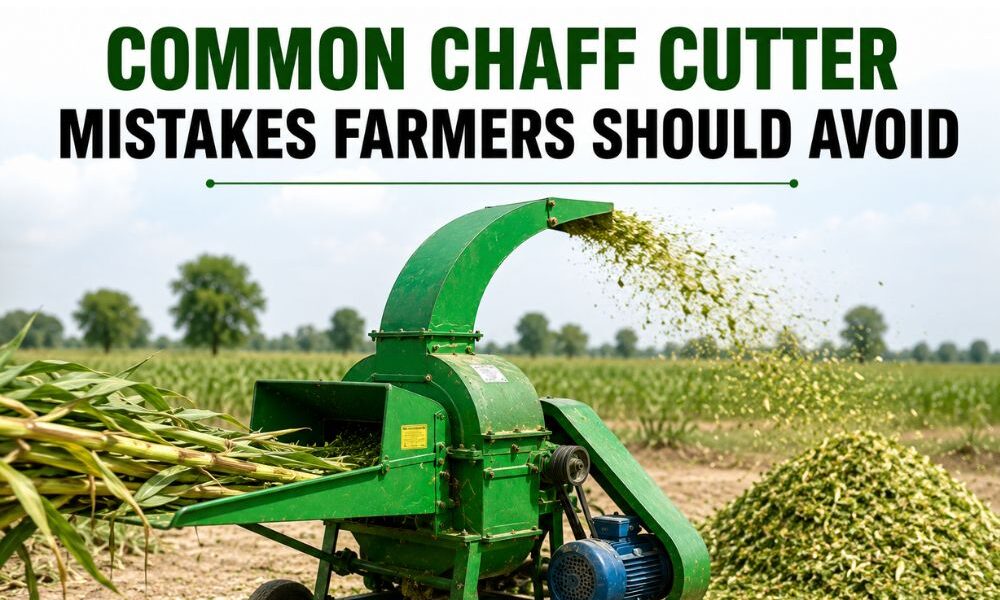
Efficient farm operations depend on reliable equipment, and a well-maintained chaff cutter machine plays an important role in improving productivity and reducing feed preparation time. One tool that plays a vital role in this is the chaff cutter machine. However, improper use and maintenance can lead to costly mistakes. By understanding common errors and how to avoid them, you can ensure your chaff cutter operates at peak performance. In this article, you will learn about key chaff cutter mistakes to avoid and best practices for maintenance, safety, and efficiency.
Chaff Cutter Mistakes to Avoid
Operating a chaff cutter machine efficiently requires knowledge and precision. One of the most common mistakes is failing to follow the manufacturer’s operating and maintenance guidelines. This oversight can lead to improper operation and increased wear and tear on the machine.
Another frequent mistake is overloading the machine. Chaff cutters have specific capacity limits, and overloading them not only reduces feed cutting efficiency but can also cause mechanical failures. It’s important to monitor the amount of material fed into the machine to prevent damage.
Ignoring the sharpening and maintenance of blades is another significant oversight. Dull blades reduce the machine’s effectiveness and increase the likelihood of jamming. Regular sharpening can make a substantial difference in performance.
- Ignoring Manufacturer Guidelines: Always read the manual to understand proper operation and maintenance requirements.
- Overloading: Respect the machine’s capacity to avoid mechanical issues and ensure a smoother operation.
- Blade Neglect: Regularly sharpen blades to maintain feed cutting efficiency.
Routine Maintenance Practices for Longevity
Routine maintenance is essential in prolonging the life of your chaff cutter machine. Following a consistent maintenance schedule helps prevent mechanical failures, minimise downtime, and keep the machine operating efficiently.
Firstly, conduct regular visual inspections for any signs of wear and tear. This practice allows you to catch early signs of damage that could worsen if left unattended.
Secondly, lubricate moving parts frequently to reduce friction and prevent overheating. Use the manufacturer’s recommended lubricant. Also, pay attention to the machine’s belts and replace them if they show signs of wear.
Lastly, establish a regular cleaning schedule to keep dirt and debris from affecting the operation. By keeping the machine clean, it can function more efficiently and with less stress on its components.
- Regular Inspections: Catch early signs of damage before they result in bigger problems.
- Lubrication: Prevent overheating and wear by using recommended lubricants.
- Cleaning Schedule: Maintain efficiency and reduce component stress with regular cleaning.
Preventing Overload and Its Impact
Preventing overload is essential for maintaining feed cutting efficiency and prolonging the life of your chaff cutter. Overloading not only puts strain on the machine, but it also reduces its ability to cut feed effectively, leading to wasted materials and increased operational costs.
Always follow the manufacturer’s recommended feed capacity and avoid forcing excessive material into the machine. Feeding fodder gradually instead of all at once allows the chaff cutter to operate smoothly and consistently.
Overload can lead to overheating, which poses a serious risk to the machine’s motor and gears. By maintaining appropriate feed levels, you can reduce the risk of mechanical failures and ensure the smooth functioning of your chaff cutter.
- Adhere to Capacity: Follow manufacturer’s guidelines to avoid reaching the machine’s maximum load.
- Gradual Feeding: Introduce materials slowly for optimal performance and efficiency.
- Avoid Overheating: Keep feed levels in check to safeguard the machine’s motor.
Maximizing Efficiency in Feed Cutting
Maximizing efficiency in feed cutting involves understanding the machine’s capabilities and optimizing its settings. An efficient chaff cutter not only saves time but also reduces waste.
Keep the blades sharp and inspect them regularly to achieve clean, uniform cuts. Adjust the machine’s speed and cutting settings according to the type, moisture content, and thickness of the fodder to achieve the best cutting performance.
Utilize the machine’s capacity fully, without exceeding it, to make each operation cost-effective. Balance the feed mixture effectively – softer materials cut differently than harder ones, and finding a proper balance will enhance blade life and cutting performance.
- Sharp Blades: Ensure blades are sharp for clean cuts and quality feeds.
- Adjust Settings: Tailor the machine’s settings according to the feed type.
- Balanced Feed: Mix materials properly to enhance performance and prolong blade life.
Implementing Safe Operational Procedures
Safety should never be compromised when operating a chaff cutter machine. Proper safety procedures help reduce the risk of accidents, prevent equipment damage, and ensure smooth machine operation.
Always wear appropriate personal protective equipment (PPE), such as gloves and safety glasses, while operating the machine. Ensure that only trained personnel are allowed to operate the chaff cutter, and never leave the machine unattended while it is in operation.
Educate all users on emergency procedures, including how to quickly shut off the machine in case of malfunction. Safety guards should be installed and maintained to protect users from moving parts.
- PPE Use: Wear proper protective equipment for safe operation.
- Trained Operators: Ensure only trained individuals operate the machine.
- Emergency Procedures: Be prepared with a plan for machine malfunctions.
Ensuring Blades Stay Sharp
The sharpness of the blades is critical for the optimal operation of a chaff cutter. Dull blades not only hinder performance but also pose a risk of causing the machine to jam.
Regularly inspect and sharpen the blades to maintain cutting efficiency. Depending on usage, this task might need to be performed weekly or monthly. Also, consider replacing blades that show excessive wear or damage.
Always use the recommended sharpening tools and follow the correct sharpening technique to maintain the proper blade angle. Avoid makeshift methods, as they can cause uneven wear, poor cutting performance, and shorten the blade’s service life.
- Regular Inspection: Check blade condition frequently to determine sharpening needs.
- Professional Tools: Use appropriate tools for even and effective sharpening.
- Blade Replacement: Change blades if they cannot be sharpened effectively.
Proper Storage and Care
Proper storage and care of your chaff cutter machine are vital to prolong its lifespan and readiness for use. Improper storage can lead to issues like rusting and weather-related damage.
Store the machine in a clean, dry, and well-ventilated area, protected from rain, direct sunlight, and excessive humidity. Cover the machine when not in use to minimise dust accumulation and moisture exposure that could damage its components.
Before long-term storage, thoroughly clean the machine, inspect all components for wear or damage, lubricate moving parts where required, and follow the manufacturer’s recommendations for handling fuel or other fluids. These steps help prevent deterioration and keep the machine ready for future use.
- Secure Storage: Keep the machine in a safe, dry, and clean environment.
- Protective Covering: Use covers to guard against dust and moisture.
- Pre-Storage Maintenance: Clean thoroughly and empty fluids before long-term storage.
Conclusion
In conclusion, understanding and avoiding common chaff cutter mistakes, implementing routine maintenance, and following proper operational procedures are critical in ensuring the longevity and efficiency of your chaff cutter machine. Regular blade sharpening, careful storage, and adherence to safety protocols will optimize your feed cutting process. By maintaining these best practices, you can significantly boost your agricultural productivity while minimizing downtime and repair costs.
Frequently Asked Questions
1. What are the most common chaff cutter machine mistakes farmers should avoid?
Some of the most common chaff cutter machine mistakes include overloading the machine, neglecting regular maintenance, using dull blades, ignoring the manufacturer’s operating guidelines, and failing to clean or store the machine properly. Avoiding these mistakes helps improve performance and extend the machine’s lifespan.
2. How often should chaff cutter maintenance be performed?
Chaff cutter maintenance should be carried out regularly based on the machine’s usage. Routine tasks such as cleaning, lubricating moving parts, inspecting belts and blades, and checking for worn components should be performed after use or according to the manufacturer’s maintenance schedule.
3. Why is feed cutting efficiency important?
Good feed cutting efficiency ensures uniform fodder size, reduces feed wastage, improves livestock feed intake, and lowers operating costs. Maintaining sharp blades, avoiding overload, and using the correct machine settings all contribute to better cutting efficiency.
4. What happens if a chaff cutter machine is overloaded?
Overloading a chaff cutter machine can strain the motor, damage blades and other components, reduce cutting performance, increase energy consumption, and lead to costly repairs. Always operate the machine within the recommended feed capacity.
5. How can I extend the lifespan of my chaff cutter machine?
You can extend the life of your chaff cutter machine by following the manufacturer’s guidelines, performing regular maintenance, sharpening or replacing blades when needed, operating the machine within its capacity, and storing it in a clean, dry, and protected environment after use.